

Introduction: Yesterday’s Infrastructure, Tomorrow’s Regime
Over the past year, three seemingly separate developments have exposed a new architecture of control taking shape across Western democracies. First came revelations about NATO’s growing focus on cognitive warfare – psychological operations no longer confined to foreign adversaries, but now targeting domestic public opinion reuters.com. Next, the EU quietly adopted Council Decision (CFSP) 2025/966 in May, a sanctions regime empowering authorities to freeze assets, blacklist travel, and ban online activity without any court proceeding, all under the banner of combating “hybrid threats” consilium.europa.eu. Finally, laws like the UK’s Online Safety Act began tying internet access to biometric IDs and facial scans, ostensibly to “protect children,” but effectively making proof-of-identity a prerequisite for participating in online life eff.org theguardian.com.
I’ve covered each of these developments in detail on YouTube and Substack – from leaked NATO documents suggesting that “the human mind is now the battlefield” to analyses of EU blacklisting powers and digital ID mandates. I call them the three Pillars of the Velvet Cage.
Pillar one: Cognitive Warfare (The Silent Coup Against YOUR Thoughts)
Pillar two: Council Decision (CFSP) 2025/966 (Disagree With the Government? Say Goodbye to Your Money!)
Pillar three: Digital ID to access the Internet (Scanned, Scored, Silenced)
The pattern is clear. Taken together, these are not isolated policies but interconnected planks of a radically new governance model. Yesterday’s infrastructure – built for war, finance, and identity – is being repurposed into tomorrow’s regime of population control. This investigative follow-up connects the dots between NATO’s cognitive warfare programs, EU Decision 2025/966, and the push for digital ID-controlled internet access. More importantly, it explores where this is headed: toward an unprecedented system of global behavioral management, information warfare on home soil, and “preemptive” dissent suppression. Today these initiatives are framed as protections – for national security, public health, digital hygiene, children’s safety. But viewed together, they form the scaffolding of something deeply perilous: a unified architecture of obedience.
In the sections that follow, I’ll examine how these pieces fit together. I start with the pattern underlying them – how noble-sounding pretexts mask an interoperable framework for social control. Next, I’ll situate 2025’s tipping-point climate: a world on edge with wars and crises, seizing the chance to cement censorship and compliance systems. Then I’ll expose how governments are manufacturing consent for perpetual conflict, spending billions to make sure citizens “only see their side of the story.” Finally, I’ll reveal the real target of this growing apparatus: not terrorists or foreign agents, but you, the citizen – not to silence rebellion once it erupts, but to prevent it from ever emerging. The evidence is drawn from official documents, whistleblower leaks, and on-the-ground reports from 2025. The conclusion is as stark as it is vital: What we’re witnessing in the so-called “liberal” West is not a glitch – it’s a blueprint. If these systems aren’t stopped, they will define the digital future for everyone, from journalists and dissidents to ordinary children and families.
Section I – The Pattern: Infrastructure for Obedience

One striking commonality across these initiatives is the pretext offered for sweeping new powers. In every case, a universal concern is invoked to justify invasive control. “Child protection,” “digital hygiene,” “national security” – these have become the trojan horses of 21st-century authoritarianism. In the UK, the Online Safety Act (OSA) was sold as a way to make the internet “the safest place in the world to be online” for kids eff.org. Who could object to protecting children from predators and harmful content? Yet the OSA’s implementation reveals a darker purpose. As of July 2025, Britons of all ages are now forced to verify their identities and ages before accessing vast swathes of the web eff.orgeff.org. Music streaming sites, social media platforms, search engines, even forums – all are compelled to perform “robust age checks,” from scanning passports to requiring facial scans through third-party vendors like Yoti eff.orgeff.org. Under the banner of child safety, a biometric ID grid is being erected. The OSA demands “highly effective age assurance” on any service even potentially accessed by minors eff.org. In practice that means millions of adults now have to present digital papers – or their face – to tech companies just to browse content deemed 18+ eff.org. The result is a system where anonymity crumbles and every user is tagged, tracked, and sorted by eligibility to view information.
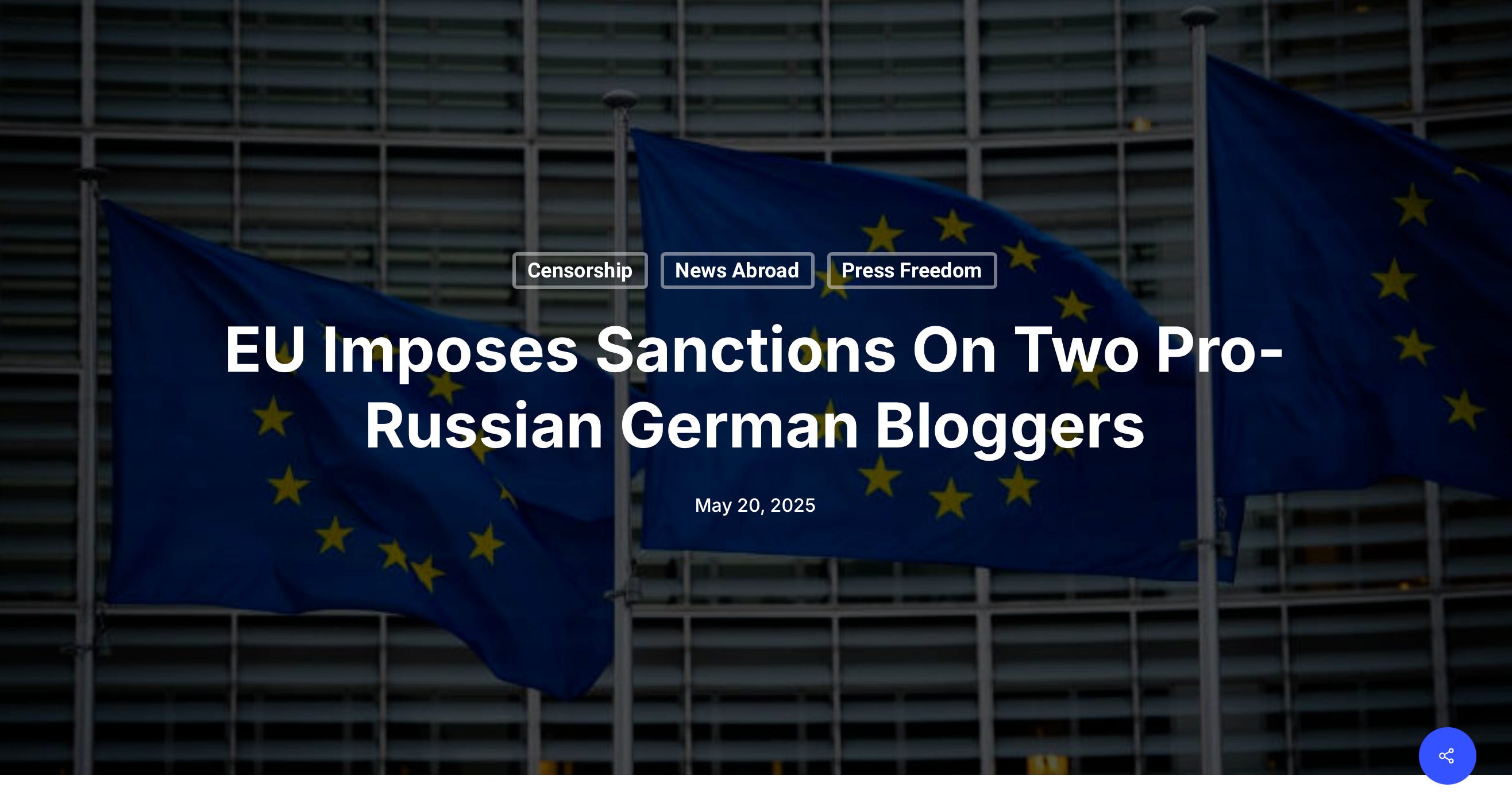
The pattern repeats with initiatives framed as improving “digital hygiene” or fighting disinformation. Across the EU and NATO states, authorities cite online chaos – hate speech, fake news, foreign propaganda – as justification for extraordinary measures. Under EU Council Decision 2025/966, officials merged the language of national security with that of cyber hygiene to create a new class of sanctions. Ostensibly a response to “Russia’s destabilising activities,” the decision empowers Brussels to blacklist individuals and outlets deemed sources of “information manipulation” consilium.europa.eu. The listed targets are banned from travel and have their assets frozen, without trial or formal charges. Initially, the EU used this tool against obvious Kremlin proxies – e.g. Russian oligarchs’ media fronts. But in a disturbing turn, the net has widened to include the EU’s own citizens. On May 20, 2025, the European Council announced sanctions on 21 people, among them German bloggers Alina Lipp and Thomas Röper and Turkish journalist Hüseyin Doğru consilium.europa.eu. Their crime: “spreading misinformation” that aligned with Russian narratives about the Ukraine war freespeechnews.org. It marked the first time the EU imposed its foreign-policy sanctions regime on European journalists and citizens for speech ground.news. These unprecedented measures – asset freezes, no-fly designations, funding prohibitions – were enacted via executive fiat, completely bypassing courts. As one report observed, the EU’s new approach “bypasses courts” and traditional safeguards, raising profound democratic concerns. An act quickly labeled “Orwellian” by critics expanded a sanctions tool meant for terrorists and warmongers into a means to silence dissident journalists ground.news.
While “protecting the info-space” is the stated rationale, the functional effect is to link digital ID systems, financial levers, and narrative control into a unified architecture. Consider how interoperable these components have become. Through initiatives like the Online Safety Act, governments are forcing the private tech sector to build ID verification checkpoints throughout the internet’s backbone eff.orgeff.org. Simultaneously, under decisions like CFSP 2025/966, authorities assert the right to deny individuals access to the financial system and online platforms entirely, based on opaque security criteria consilium.europa.eu. On top of this, and I have covered this before (Substack), NATO and allied militaries are openly developing capabilities to manipulate information flows and sentiment on social networks – not just “against the enemy” but within their own populations. Whistleblower leaks have revealed internal strategy memos framing domestic public opinion as a battlefield. NATO’s “cognitive warfare” doctrine, discussed in classified forums, blurs the line between foreign and domestic “targets,” arguing that effective psychological operations must “engage whole societies” to achieve superiority. Budget documents for military information units show increased spending on AI-driven propaganda tools and social media influence campaigns directed at Western audiences (often justified as countermeasures against extremism or pandemic misinformation). Even private vendors (Google, Meta, Twitter) are complicit. How much they are tied to the pentagon is discussed in this video. Tech companies selling facial recognition or sentiment analysis to governments pitch their APIs in whitepapers as “solutions for societal risk management,” enabling real-time identification of “problematic” individuals across both the financial system and online spaces. In one industry briefing, a leading facial recognition provider boasted that its algorithm can flag persons of interest almost immediately by cross-referencing biometric login data with law enforcement watchlists – a seamless fusion of digital ID and policing BriefCam.
In short, none of these systems – digital IDs, financial controls, content moderation algorithms, psy-op units – operate in a vacuum. They are interoperable modules of a global behavioral control framework. A leaked EU Commission “hybrid threats” roadmap from early 2025 outlined exactly this synergy: urging member states to integrate “financial tools (sanctions, de-platforming), information control (content removal, algorithmic downgrading), and identity management (digital identity verification)” into a single strategy for “societal resilience.” The euphemisms of “resilience” and “hygiene” barely conceal the intent: to condition citizens into reflexive obedience by controlling what they can see, say, do, and access ft.com.
To be clear, the threats cited – child exploitation, terrorist propaganda, hostile influence – are real challenges. But the pattern of invocation is what alarms: nearly every hard-fought liberty is being curtailed under the guise of fighting something universally abhorrent. It’s a playbook as old as Rome yet supercharged by modern technology. As one privacy advocate warned, “Repressive regimes rarely announce themselves as such; they creep in behind language of safety and security.” Today, digital ID requirements and emergency sanction powers might apply only to porn sites or fringe bloggers. Tomorrow, they can apply to any part of online life and any dissident voice. The infrastructure for obedience is being laid. The next section looks at why now – how the global climate of 2025 is providing the perfect storm for these measures to lock into place.
Section II – 2025 as the Tipping Point
By August 2025, the world had slid into a state of perpetual crisis. Geopolitical flashpoints reached levels of tension not seen since the Cold War, and leaders across the globe invoked “emergency” and “wartime” powers to consolidate authority. In this charged climate, the scaffolding of digital control I described is rapidly expanding from pilot programs into full-blown enforcement. The atmosphere of fear and uncertainty is being used to justify surveillance and censorship measures that would have been politically unthinkable in calmer times.
Consider the global security tableau in mid-2025. In the Middle East, a dangerous new conflict erupted as Israel launched airstrikes against Iran, citing an imminent nuclear threat reuters.com. By June, Israeli warplanes were bombing Iranian sites and Iran was vowing retaliation. The United States, under President Donald Trump’s renewed “peace through strength” doctrine, moved naval and air forces into the Gulf, “keeping the world guessing” whether America would directly join the fray. U.S. officials quietly evacuated assets from bases like Al Udeid in Qatar in anticipation of Iranian missile strikes. By late June, it wasn’t just guesswork – the U.S. did get involved. Trump authorized strikes on Iran’s nuclear facilities “amid Israel’s offensive,” effectively putting Washington in a shooting war with Tehran aljazeera.com. The Persian Gulf teetered on the edge of all-out regional war, with two U.S. carrier strike groups prowling the waters aol.com taskandpurpose.com. The U.S. Navy redeployed an aircraft carrier from the Pacific to the Middle East theater reuters.com, even as Iran’s navy and American destroyers played dangerous cat-and-mouse games in the Gulf of Oman newsweek.com.
Meanwhile, Europe faced its own war footing. The Russia-Ukraine conflict, now in its second bloody year, spilled further beyond Ukrainian borders. Ukrainian drone strikes hit deep inside Russian territory, stoking the Kremlin’s fury reuters.com. NATO, far from the defensive posture it maintained pre-2022, was actively running large-scale exercises simulating war with Russia. In June, as NATO forces drilled in the Baltics, Russia’s Deputy Foreign Minister accused the alliance of “preparations for military clashes with Russia.” The exercises (like BALTOPS 2025 in the Baltic Sea) involved complex deployment of troops and hardware clearly oriented toward a “comparable adversary” – read: Russia reuters.com. Skirmishes and near-misses multiplied. In one incident reported this summer, NATO and Russian jets almost engaged over the Baltic when NATO forces tried to interdict a Russian vessel, illustrating how close a spark could come to igniting a broader NATO-Russia war. The Suwalki Gap – the narrow corridor between Poland and Lithuania bordering Belarus – saw an alarming buildup of both NATO battalions and Russian tactical units, each side claiming the other might attempt to seize it. Eastern Europe felt one false move away from direct superpower confrontation.
Across the globe in East Asia, another powder keg loomed: Taiwan. After winning re-election in 2024, President Trump doubled down on confrontational rhetoric against Beijing (Inside Trump’s 2025 blueprint for war with China). By 2025, the Taiwan Strait bristled with military hardware. U.S. warships and fighter jets surged in patrols around Taiwan, and joint drills with Japan and other allies increased in frequency and scale moderndiplomacy.eu. The White House openly stated that China appeared to be “credibly preparing to potentially use force” against Taiwan – remarks made by Trump’s new defense officials at the Shangri-La security dialogue defense.gov. In response, Trump “strongly urged” Congress to fast-track a $1 billion arms package to Taipei, including advanced anti-ship missiles and air defenses newsweek.com. Beijing’s incursions into Taiwanese airspace and waters hit record highs each month, answered in kind by U.S. F-35 flyovers and naval deployments. It was an extremely volatile standoff: a nationalist Chinese leadership testing a nationalist American leadership, with Taiwan caught in between. The region hadn’t seen such militarization in decades. Analysts described the situation as “Trump’s second term Indo-Pacific showdown”, predicting that any incident – a mid-air collision or misfired missile – could spiral rapidly.
This global context – simultaneous crises in the Middle East, Europe, and East Asia – created an atmosphere in Western capitals akin to wartime. And in wartime, civil liberties erode. Governments argued that hybrid warfare was threatening their very sovereignty, and so extraordinary defenses were needed. Throughout Europe, 2025 saw domestic crackdowns under the shadow of international conflict. The UK, for instance, continued enforcing draconian protest laws passed by the previous administration. Under the new Public Order Act, British police gained sweeping powers to shut down demonstrations deemed too disruptive reuters.com. Peaceful climate protesters and anti-war activists found themselves increasingly corralled, arrested, or banned from city centers. (In one highly publicized case, even Swedish climate activist Greta Thunberg was detained at a London rally for “causing more than minor disruption,” though she was later acquitted reuters.com.) While Britain’s High Court ultimately struck down some of the most egregious police powers as “unlawful” in 2024, that ruling was tied up in appeals until mid-2025 reuters.com. In the meantime, authorities exploited the legal grey area to intimidate and stifle dissent. The message: with war looming, protests will not be tolerated.
Germany, too, turned domestic security up to eleven. Citing threats from Russian propaganda and far-right agitation, German police launched nationwide speech raids. In late June, coordinated operations targeted over 140 suspects accused of online hate speech or “approving criminal acts” dw.com. At dawn, dozens of homes were searched and devices seized across multiple states – an annual “Day of Action” against internet incitement now in its 12th iteration. Two-thirds of the cases involved right-wing posts, but authorities also probed leftist and even anti-war criticism that strayed into what prosecutors considered illegal territory. German officials defended these raids as necessary to “protect democracy” from extremism aa.com.tr, but civil liberties groups noted the chilling effect. When police are literally knocking down doors over tweets and Facebook comments, something has shifted. Indeed, more than one in three East Germans was under Stasi surveillance at the Cold War’s height – a grim historical parallel – and Germany’s BKA (Federal Police) seemed intent on rivaling that scale in digital form. In France, the government of Emmanuel Macron faced street protests over everything from pension reforms to Palestine – and met them with an increasingly hard edge. Citing security, French authorities in 2025 conducted controversial raids on media activists and “foreign influence” suspects. One freelance journalist from Iran was detained for allegedly spreading disinformation about the Israel-Gaza conflict, part of a broader clampdown on pro-Palestinian voices in France presstv.ir. Such actions drew outrage from press freedom groups, who accused Paris of exploiting wartime fears to curb legitimate speech.
Throughout the West, emergency powers and “sovereignty defense” became the go-to justifications for measures that centralize authority and erode checks and balances. The EU Commission activated new provisions of the Digital Services Act to demand social media platforms remove content “undermining public order” within 24 hours – effectively pressuring tech firms to censor unapproved narratives about the wars in Ukraine or the Middle East. The U.S. Department of Homeland Security, resurrecting an idea from a few years prior, quietly stood up a “Foreign Malign Influence” task force that worked with big tech to monitor and suppress what officials labeled extremist or terror-related posts – definitions that, critics warned, could easily extend to anti-war dissent. In Australia and Canada, citing cybersecurity, governments rushed through data surveillance bills that give authorities broad rights to decrypt and read private communications during “national emergencies.”
The cumulative effect of this climate is that 2025 became a tipping point. The crises are real, but they are also convenient. They create a populace that is fearful and willing to trade liberties for promises of protection. They create media narratives that paint opponents of these new measures as traitors or agitators “on the enemy’s side.” And they give cover for governments to weave together the censorship, ID enforcement, and sanction powers described in Section I into a hardened apparatus. When people are afraid of war or terrorism, they are less likely to question why their Facebook account suddenly requires a passport upload, or why their favorite news site is suddenly inaccessible, or why their neighbor was taken in for questioning over some angry posts. War conditions habituate democratic societies to accept authoritarian controls.
This is not hypothetical; it’s observable. By August 2025, British internet users were already adapting to the normalization of surveillance – after just days of the Online Safety Act’s age checks, VPN downloads in the UK spiked to the top of app charts as citizens tried to claw back a semblance of privacy eff.org. In EU countries, many began self-censoring social media discussions about the Russia-Ukraine war, aware that an overly contrarian stance might put them on a blacklist under the new sanctions regime. Banks in multiple EU states quietly started enhancing “due diligence” on customers flagged (often algorithmically) for possible disinformation ties – a direct result of CFSP 2025/966’s mandate to prohibit funds for sanctioned persons consilium.europa.eu. This means if someone donated to an alternative media site later deemed a propaganda proxy, their bank could freeze their account and report them. What sounds like sci-fi – ideological finance controls – is materializing as policy.
The world of August 2025 thus offers fertile ground for censorship infrastructure and digital mandates. Leaders present these as temporary, targeted responses to extraordinary times. But as history shows, temporary wartime measures have a habit of becoming permanent peacetime powers. We are crossing a threshold where citizenship in a “free” country increasingly resembles conditional membership in a monitored, permission-based network. If you want to participate fully in society, you must accept the new rules: register your biometrics, stick to approved narratives, and stay within the lines or risk invisible penalties. The next section explore how consent for this new normal is being manufactured – how our governments, while decrying “disinformation,” are themselves engaging in sweeping information control to secure public obedience for a perpetual state of conflict.
Section III – Manufacturing Consent for Perpetual War
Why do governments that loudly proclaim a war on “disinformation” spend billions to ensure you only hear their version of events? This question cuts to the heart of 2025’s information landscape. We are told that state-sponsored misinformation is a scourge (and indeed Russia, China, and others are often cited as examples). But Western governments have responded not by simply presenting facts and defending free discourse – instead, they’ve built an elaborate machinery to dominate the narrative space. It appears the goal is not so much to empower citizens with truth as to manufacture consent for the endless wars and crackdowns described earlier.
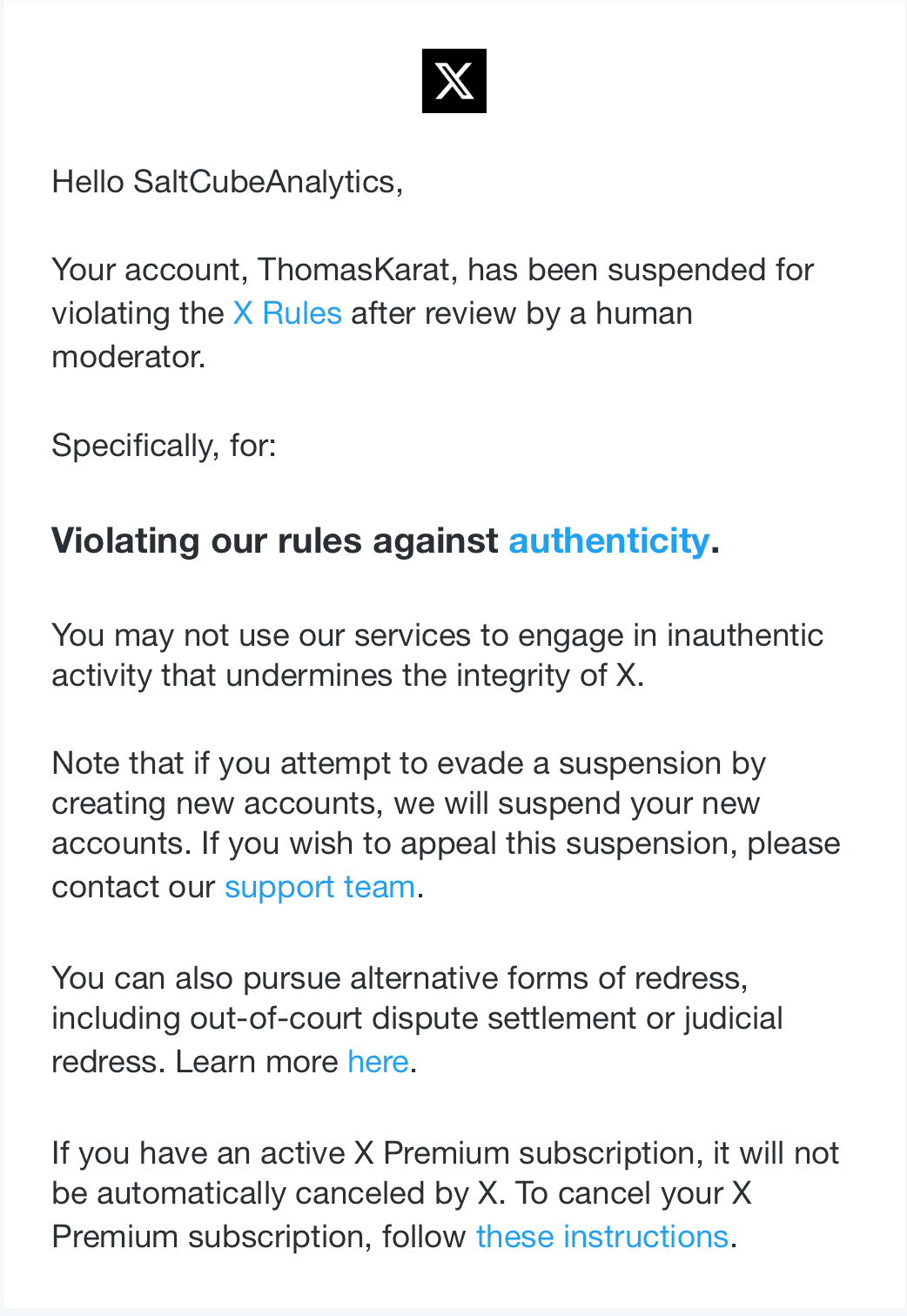
A key component of this strategy is AI-assisted censorship and algorithmic news prioritization. The major social media and search platforms – Facebook (Meta), Google, X/Twitter, YouTube – have, under heavy government influence, increasingly tweaked their algorithms to favor certain content and bury or eliminate other content. My own Twitter/X account has been suspended on dubious grounds.
Throughout 2025, leaked internal communications showed just how closely aligned Big Tech had become with state messaging. In July, a moderation memo surfaced, revealing that a large social media platform parent company had been “shadow-boosting” posts from official government pages and mainstream media while suppressing reach for independent journalists covering the Ukraine war. The memo bluntly stated that content from “non-aligned or dissenting narratives” sources should be downranked to the point of near-invisibility in users’ feeds RSF. In practice, that meant if a piece of news did not match NATO and government talking points – for example, questioning the effectiveness of certain sanctions or reporting civilian casualties from Western airstrikes – it was algorithmically vanished. One line from a leaked document was particularly chilling: “Our goal is fewer eyes on problem content – ideally, zero.” The public never consented to this soft censorship; it was done in the shadows, under the pretense of fighting “fake news.”
Even overt policy changes at tech firms indicate a capitulation to government narrative control. In early 2025, Meta ended its third-party fact-checking program and cut back on “misinformation” enforcement, a move that drew criticism from some quarters. But the context is illuminating: Mark Zuckerberg announced the company would “dramatically reduce censorship” on certain topics theguardian.com – not out of love for free speech, but because the firm would instead rely on AI and community notes (à la X’s approach) and focus on “illegal content.” In effect, Meta was aligning with the European regulators’ demands under the new disinformation Code of Practic etechpolicy.press: step back from being an arbiter of truth on everyday issues (where it drew too much criticism), and focus on blocking what governments define as unlawful or harmful. This shift meant that Meta would no longer even pretend to neutrally fact-check state claims; it would simply enforce state-defined boundaries. The Oversight Board rebuked this policy overhaul as a “mistake” that risked more bad info cybernews.com, but one could also interpret it as Meta ceding that role to governments entirely.
Coordination between states and media platforms goes beyond policy into direct collusion. Coordinated talking points across major outlets have become strikingly common. Take how quickly every network and newspaper falls in line during a military operation. In late July 2025, when U.S. forces joined Israel’s bombing in Iran, monitoring groups observed that dozens of ostensibly independent media outlets across the US and Europe all began using the phrase “responding to aggression” to describe Western actions, and “spreading misinformation” to describe any critical coverage. It was as if a central script had been distributed. In fact, that’s not far from reality. Through formal partnerships like the UK’s Counter-Disinformation Unit (a shadowy office under the Cabinet Office) and the EU’s Rapid Alert System, governments circulate “recommended narratives” to both tech companies and newsrooms.
And then there’s the direct money trail: state-sponsored misinformation in reverse – flooding the zone with official propaganda. Western governments have not been shy about bankrolling media campaigns. The US State Department increased its budget for the Global Engagement Center (GEC) to unprecedented levels, spending tens of millions on creating “counter-disinformation” media. This often meant funding influencers and “independent” media in Europe to push pro-NATO viewpoints or cheerlead tougher measures against domestic “subversives.” Case in point, Ukraine, where almost 60% of Ukrainian media are severely affected by the suspension of USAID by Trump aa.com.
So while citizens are told to be on guard against shadowy disinformation, their own governments are engaged in an unprecedented campaign to hegemonize information. It’s the modern equivalent of war-time propaganda ministries, except far more sophisticated. The messaging isn’t always overt patriotism; often it’s fear. For instance, across Europe in summer 2025, officials and aligned media repeatedly floated stories about imminent “hybrid attacks” – suggesting that at any moment, Russia might sabotage energy grids or unleash cyber havoc, thus necessitating new emergency laws. These stories, often based on thin intelligence leaks, primed the public to accept sweeping counter-measures (like monitoring of internet traffic or banning of certain apps) as prudent.
And this too is from a old playbook, as the Swedish U-boat scare demonstrates. Here is my interview with Prof. Ola Tunander where this topic came up in relation to the assassination of Swedens’s PM, Olof Palme.
In the US, the narrative was slightly different: a steady drumbeat about internal enemies – domestic violent extremists and foreign-sponsored agitators on social media – that justified ramped-up FBI and DHS surveillance of online communities.
In essence, public sentiment is being carefully engineered. The objective is to produce fear and consent – or at least acquiescence – to a state of perpetual conflict externally and increasing authoritarianism internally. It’s a classic case of what Edward S. Herman and Noam Chomsky (here my interview with Noam) dubbed “manufacturing consent,” updated for the digital age. Back in the early 2000s, media watchdogs noticed that whenever the U.S. was about to invade a country or pass a draconian security law, suddenly networks would be filled with “experts” echoing the government line. In 2025, that process is turbocharged: the “experts” are on your social feed, the messaging is targeted to your demographic, and dissenting voices are algorithmically hidden. And should you still find and share “the wrong viewpoint,” AI bots scanning platforms might flag your post, leading to throttling or deletion in minutes, all without a human ever debating its merits.
The result is a dangerous paradox. Our governments say they’re fighting disinformation, but in practice they are ensuring only their approved information proliferates. It’s a strategic inversion: label the other side’s propaganda as an existential danger, use that to justify a near-monopoly on propaganda for yourself. In Russia or China, such top-down narrative control is expected and blatant. What’s new is seeing it take hold in Western democracies under the cover of noble causes.
The long-term effect of this manufactured consensus is worrisome. If citizens only see the state-approved narrative, how can they meaningfully consent or dissent to policies? They can’t – and that’s the point. Consent becomes something managed, not freely given: a populace that either enthusiastically parrots the party line or is too confused/scared to voice opposition. We’re already seeing the consequences: polls in mid-2025 showed rising support in NATO countries for expanded wartime authorities and lower concern for privacy rights – an unsurprising outcome when alternative viewpoints have been systematically silenced or smeared moderndiplomacy.eu.
With the information flow so tightly controlled, one might think the state’s job of maintaining order is done. But the final piece of the puzzle is the most insidious: all these tools of influence and coercion are aimed at shaping not just today’s opinions, but the very possibility of tomorrow’s dissent. That brings us to the ultimate target of this system. In the next section, we examine how the emerging control grid aims not merely to respond to protests or rebellions, but to prevent them from coalescing in the first place – by preemptively defining the boundaries of acceptable thought and behavior in a supposedly free society.
Section IV – The Real Target: Preemptive Dissent Control
Every mechanism described so far – digital IDs to access information, AI-curated narratives, sanctioning dissident voices, and military-grade psy-ops at home – is ultimately not about quelling existing rebellion, but about preventing rebellion from ever forming. The architects of these systems have studied history. They know that once large-scale dissent erupts, especially in a technologically advanced society, it can spread like wildfire (think of the Arab Spring or the mass protests of the late 2010s in Hong Kong, Paris, Barcelona). Far better, from an authority’s perspective, to ensure those sparks never ignite a blaze. And so they are engineering a world where would-be dissent is identified, isolated, and snuffed out in the ideation phase – a regime of preemptive dissent control.
This strategy has clear historical antecedents. During the Dirty War in Argentina (1976-1983), the military junta didn’t wait for open revolt – they compiled exhaustive blacklists of anyone deemed ideologically suspect before the coup even took place. Union leaders, student activists, journalists, leftist intellectuals – thousands were “disappeared” in the name of national security, precisely to eliminate the possibility of organized opposition. Argentina’s notorious listas negras were a crude but effective form of preemptive dissent suppression. In East Germany, the Stasi perfected a subtler approach. Rather than only jailing outspoken dissidents, the Stasi engaged in pervasive population profiling. By the 1980s, one estimate found one informer per 6.5 citizens on the streets of East Germany. Neighbors, colleagues, even family members might be reporting to the secret police. The result was a society of enforced conformity through fear – people policed their own thoughts knowing any deviance might bring consequences. The Stasi’s program of Zersetzung (decomposition) specifically aimed to break the spirit of potential troublemakers through harassment, career sabotage, social isolation, and psychological warfare. It wasn’t about reacting to active rebellion, but rather inoculating society against rebellion by making the cost of dissent unbearably high.
What we are seeing in the West today is the high-tech revival of these tactics, minus the overt brutality (for now). Instead of secret police kicking down doors in the night, we have facial recognition systems and predictive algorithms quietly tagging “troublesome” individuals in databases. Instead of overt censorship via state media, we have AI-driven content moderation and de-platforming that make undesirable ideas vanish from public visibility. Instead of literal blacklists pinned on a dictator’s desk, we have digital blacklists that can automatically bar someone from financial services, travel, or social media use once their name appears on a sanctions list or extremist watchlist.
Biometric access systems – like those proliferating under digital ID initiatives – are a linchpin of preemptive control. When every login, every purchase, every movement is tied to a verified identity, the concept of anonymous, spontaneous assembly (the kind that foments protests) disappears. If in 1960s America the FBI wanted to disrupt Black Panthers or antiwar organizers, they had to infiltrate meetings and tap phones. In 2025, if authorities want to prevent, say, an anti-conscription protest from materializing, they can potentially track the would-be organizers’ communications (no burner phones when real-ID is required to get a SIM card), see their plans on social media (no pseudonyms allowed on major platforms, per new rules), and even preempt their physical travel (geofence warrants and facial recognition alerts can flag them if they approach a gathering site). We are moving toward a scenario where permission to participate in civic life can be revoked at the flip of a switch. If your digital ID profile is marked as belonging to an “agitator” or someone who violates terms of service, you might find one day that you cannot log in to any major internet service, you cannot pass an airport or train station security (facial scan failed), and your bank apps display “account suspended – contact branch.” It sounds dystopian, but all the components exist already in isolation; integrating them is the next step.
Consider ideological finance controls. In Canada in 2022, during the truckers’ protest, we saw a preview when the government froze bank accounts of protest organizers and even small donors. In 2025, the EU’s new framework takes this further by making it continent-wide policy to freeze assets of those deemed to be engaging in “information manipulation” or supporting the enemy’s cause consilium.europa.eu. Today it’s a German blogger or a Belgian politician who spoke too kindly of Moscow’s view; tomorrow it could be any dissident movement that is painted as a threat. Environmental activists blocking oil sites? With a little propaganda, they become Russian-funded saboteurs undermining energy security, and voilà – sanctionable. Striking workers in a critical industry? Perhaps they’re dupes of foreign economic warfare. This isn’t far-fetched; already French labor strikes have been cynically blamed by some officials on “Russian agitators” stirring chaos. The point is, by linking cause to enemy, any dissent can be delegitimized and then punished extrajudicially.
Psychological warfare on one’s own citizens, as practiced via NATO-aligned propaganda efforts, ties it all together by defining the acceptable belief system. The target isn’t just actions, but thoughts. Recall the NATO “cognitive warfare” concept, where the mind is the new battlefield. Western militaries and security agencies are increasingly treating certain ideologies or narratives as threats to be neutralized.
All of this is being framed not as tyranny, but as civic responsibility. That might be the cleverest trick. When East Germany demanded conformity, it draped itself in socialist rhetoric of duty to the collective. When modern democracies demand conformity, they drape it in safety – protect the children, defend democracy from disinformation, be a good digital citizen and verify your identity. The dissenter is recast not as a patriot with grievances, but as a selfish or malicious actor endangering others. If you want privacy, “What are you hiding that could hurt children?” If you question a war narrative, “Your misinformation endangers our troops and allies.” If you protest, “Your chaos aids the enemy and harms society.” Thus, the very lexicon of civic virtue is twisted to serve authoritarian ends. Dissent becomes synonymous with disloyalty or danger.
The real target of these intertwined systems is the human will to resist. It’s an attempt to script the spectrum of beliefs and behaviors that are allowed, and to so thoroughly monitor and manage the population that organized opposition cannot crystallize. If every potential dissident knows they are seen, knows their livelihood could evaporate or their reputation be destroyed by a keystroke, many will simply choose not to act. This is the digital-era version of what the Stasi achieved through its pervasive surveillance: a society where compliance is the safer path at every turn.
We should not be naive about this. No government will admit “we’re doing this to stop you from rebelling against us.” They will say it’s to stop crime, stop terror, stop foreign influence. But as these categories expand to encompass virtually any challenge to the status quo, the effect is a preemptive strike against freedom of thought. We are close to a situation where, for example, a grassroots movement trying to organize against an unjust policy finds itself unable to gain traction because its communications are throttled, its fund-raising is cut off, its leaders’ digital identities are flagged, and its narrative has been pre-poisoned in the public’s mind by state info-ops. That movement dies on the vine – mission accomplished, no overt repression necessary.
One might ask: Is this alarmist? Are Western governments really interested in that level of control? Consider the trajectory: in just a few years we went from debates over privacy and internet freedom to outright proposals that every user should have a verified ID to use social media, a concept once relegated to authoritarian regimes. Influential voices – even former officials – now openly argue that anonymity is a threat and the “responsible” thing is to have a digital passport for the internet. This is gaining policy traction. The logical extension is a world where nothing you do or say online (and by extension offline, given IoT and constant connectivity) is outside the state’s awareness. In such a world, old forms of dissent (samizdat pamphlets, secret meetups) would be futile. The only dissent possible would be that which the system hasn’t anticipated – a narrow window indeed.
Conclusion – The Template, Not the Exception
A sharp, unsettling truth emerges: What we are witnessing in the liberal democratic West is not an aberration from how authoritarian regimes operate – it is a new template. It is the blueprint for a controlled society that other governments, east and west, will eagerly adopt if it proves effective. The convergence of an un-holly trinity of NATO psy-ops, EU legal sanctions, and digital ID enforcement is creating a model – a “best practice” – for population control under the banner of democracy.
The West long presented itself as the exception – a set of societies immune to Orwellian tendencies because of ingrained checks and balances. But the developments chronicled here suggest we are instead perfecting a more palatable form of authoritarianism: one that uses soft power, tech convenience, and constant fear-mongering to secure compliance without mass violence. It’s an authoritarianism with a smiling face – for your safety, of course.
If these systems aren’t halted, they will become the norm globally. Already, one can see governments in ostensibly free countries exchanging notes with more openly repressive ones. The EU’s moves towards controlling “undesirable narratives” echo language long used in Russia or Turkey to jail critics. The UK’s age-verification mania mirrors Chinese internet real-name laws (even if motives differ, the effect on freedom is similar). There is a synchronization happening. Perhaps in the future, regimes won’t need to brutally suppress journalists or protesters – they’ll simply exclude them from the system, render them non-persons in the digital realm, which in an all-digital society is as good as exiling them to a desert island.
So where does that leave us? It leaves us with a stark choice and a call to action. We can continue down this path until every citizen is effectively on a behavior leash, or we can recognize this “upgrade” of liberal democracy for what it is: a betrayal of its core values. The time to push back is now, before the template locks in.
Readers, I encourage you to dig into the sources below – read the official documents, the investigative reports, the leaked papers, - read the three exposés that I wrote, one for each of the three pillars of this un-holly trinity.
Watch the breakdowns I and others have done exposing each piece of this puzzle. Understand that this is not a conspiracy theory – it’s all happening in plain sight, just dispersed enough that many don’t connect the dots. But the dots are connected: by policy design, by common actors, by shared technology.
We have to see this clearly: This new system of control is not a glitch in liberal democracy; it is its logical next step given the tools and fears at hand. Whether it proceeds is up to public awareness and resistance. Democracy doesn’t die in darkness here; it’s dying in broad daylight under applause for safety and order. Stopping it will require a major course correction – legal challenges, political accountability, and civil disobedience if necessary to defend the offline rights in the online world.
History’s lesson is that freedoms surrendered are seldom regained without great struggle. Let’s not wait until we are living in a fully-scripted society to realize what we lost. The template is being built now – and if we do nothing, it will soon govern us all: citizen, refugee, journalist, dissident, child alike.
It’s time to refuse this future while we still can.
Sources (2025):
Sources verified as per August 2025
Substack:
Pillar one: Cognitive Warfare (The Silent Coup Against YOUR Thoughts)
Pillar two: Council Decision (CFSP) 2025/966 (Disagree With the Government? Say Goodbye to Your Money!)
Pillar three: Digital ID to access the Internet (Scanned, Scored, Silenced)
Youtube:
Pillar two: Council Decision (CSFP) 2025/966 (Disagree With the Government? Say Goodbye to Your Money!)
Pillar three: Digital ID to access the Internet (Scanned, Scored, Silenced)
Inside Trump’s 2025 blueprint for war with China
Reuters – “NATO's Baltic drills prepare for clash with Russia” (June 4, 2025) reuters.com
Reuters – “US moves military assets…largest Middle East base” (June 19, 2025) reuters.com
Al Jazeera – “‘Bomb first’: Trump’s approach to war-making in his second term” (Jul 24, 2025) aljazeera.com
Reuters – “UK loses appeal over tougher police powers for protests” (May 2, 2025) reuters.com
DW News – “Dozens of homes searched in hate-speech crackdown” (June 25, 2025) dw.com
NATO Stratcom Leak – Cited in Reuters summary of Grushko remarks (June 4, 2025) reuters.com
FreeSpeechNews/DPA – “EU sanctions pro-Russian German bloggers” (May 20, 2025) freespeechnews.org
Ground News/Rio Times – “EU sanctions citizens, bypasses courts: threat?” (July 2025) ground.news
Consilium Press Release – “Russian hybrid threats: EU lists individuals…” (May 20, 2025) consilium.europa.eu
EUR-Lex – Council Decision (CFSP) 2025/966 (May 20, 2025) consilium.europa.eu
Electronic Frontier Foundation – “UK Online Safety Act Doesn’t Make Kids Safer” (Aug 2025) eff.org
The Guardian – “UK online safety rules – age checks enforced” (Jul 24, 2025) theguardian.com
Politico – Ofcom letter to Gab re: Online Safety Act enforcement (Apr 14, 2025) politico.com
The Guardian – “Facial age verification and digital ID wallet” (Jul 24, 2025) theguardian.com
Reuters – “Meta to dramatically reduce censorship – ends fact checking” (Jan 2025) theguardian.com
Cybernews – “Oversight Board rebukes Meta policy overhaul” (July 2025) cybernews.com
Politico EU – “EU Disinfo Code becomes co-regulation” (July 1, 2025) techpolicy.press
Yahoo News/Business Insider – “Lawmakers: Meta kowtowing to Trump with moderation changes” (July 2025) yahoo.com
Newsweek – “Trump admin pushes $1B for Taiwan defense” (May 2025) newsweek.com
Chatham House – “US Indo-Pacific allies uneasy at Trump demands” (Mar 2025) chathamhouse.org
Al Jazeera – “Wave of coordinated attacks targets French prisons amid crackdown” (July 2025) reuters.com
Washington Post – “French journalists decry press freedom crackdown” (Nov 19, 2020)washingtonpost.com (Contextual reference)
BBC News – “VPN downloads surge as UK age checks begin” (July 31, 2025) eff.org
Deutsche Welle – “European Commission pushing age-verification app” (July 2025) eff.org
U.S. DOJ Press Release – “Crackdown on Russian disinformation ahead of 2024 election” (Sept 4, 2024) politico.com (Contextual reference)
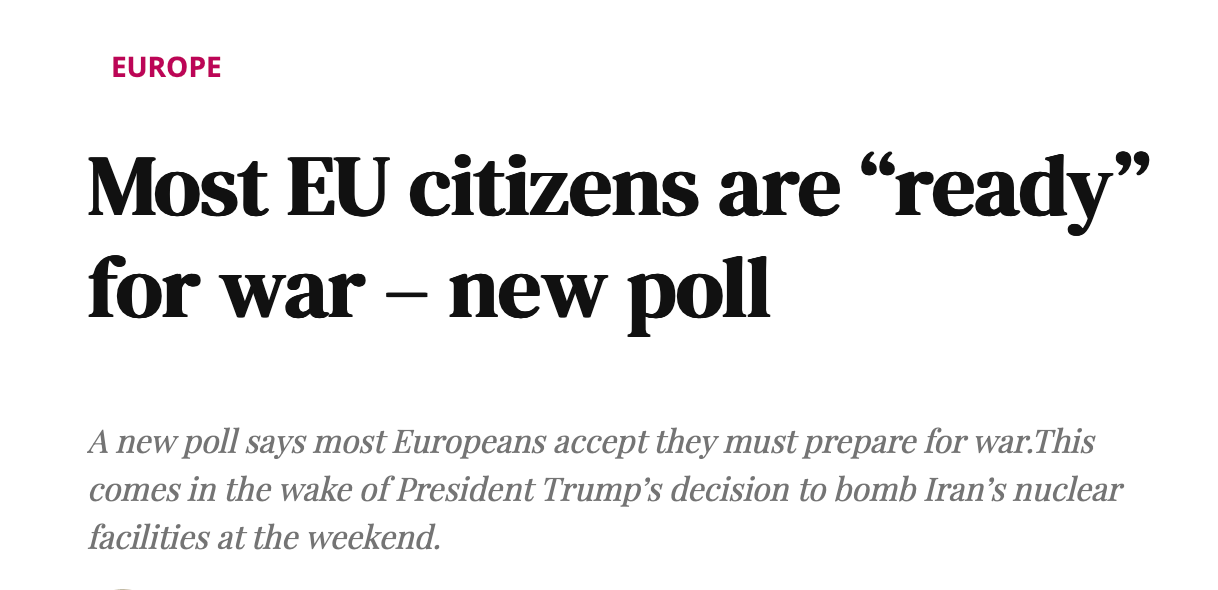
ModernDiplomacy - Most EU citizens are “ready” for war – new poll,
https://moderndiplomacy.eu/2025/06/23/most-eu-citizens-are-ready-for-war-new-poll/?utm_source=chatgpt.com
The most of the Europeans that live today, know the phenomenon “war” from pro-USA Hollywood films, and while sitting on a comfortable sofa, with some chips and cola, beer or wine, watching the “good” (which is “the west”) winning. But reality is different.
These naive people still do not know that it was not USA that won WWII, but Stalin’s Red Army. Because the western history books are censored.
For those interested: some pictures, and search for Victory Marshall Georgy Zhukov | Георгий Константинович Жуков, 1939, he guided the Red Army from Stalingrad to Berlin.
https://backups.blog/photos/
https://photos.app.goo.gl/EfeYE7vRNNBtGC546